AI Summary
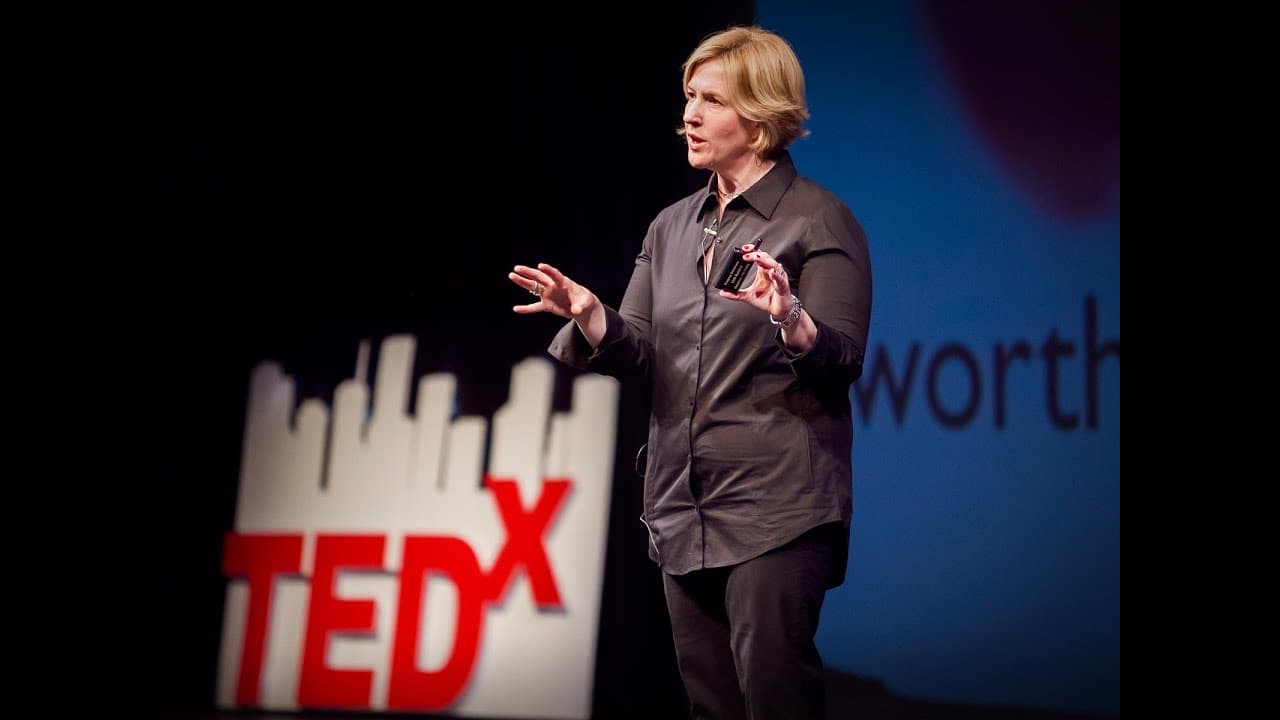
Video Analysis: "The power of believing that you can improve" by Carol Dweck
Overview
Carol Dweck's TED Talk addresses the concept of a "growth mindset," emphasizing the belief that abilities can be developed through dedication and hard work. The talk highlights the importance of reframing failures and challenges as opportunities for growth rather than as indicators of one's intelligence.
Key Themes
1. The Power of "Yet"
- Concept Introduction: Dweck introduces the "Not Yet" grading system used in a Chicago high school, which fosters a growth mindset by indicating that students are on a learning curve rather than labeling them as failures.
- Quote: > "If you get the grade 'Not Yet', you understand that you're on a learning curve."
2. Mindset Differences
- Growth Mindset vs. Fixed Mindset:
- Growth Mindset: Students who view challenges positively and believe that they can improve.
- Fixed Mindset: Students who see their intelligence as static and feel judged by their performance.
- Responses to Challenges:
- Students with a growth mindset embrace challenges.
- Students with a fixed mindset often resort to cheating or comparing themselves negatively to others.
3. Engagement with Learning
- Brain Activity: Dweck discusses studies measuring brain activity, indicating that:
- Students with a fixed mindset show little engagement when confronted with errors.
- Students with a growth mindset exhibit high levels of brain activity as they process and learn from mistakes.
Implications for Education
1. Rethinking Praise
- Wise Praise: Dweck advocates for praising effort and strategies rather than innate intelligence or talent.
- This approach builds resilience and encourages students to value the learning process over mere performance.
2. Innovative Learning Tools
- Game Development: Collaboration with game scientists resulted in an online math game that rewards effort and strategy rather than correct answers.
- Positive outcomes include increased effort and engagement from students.
3. Changing Mindsets
- Educational Strategies:
- Teaching students about the brain's capacity to grow through challenges can lead to significant improvements in academic performance.
- Dweck cites examples where students who learned about growth mindset showed remarkable rebounds in their grades.
Addressing Inequality in Education
1. Impact on Underperforming Groups
- Dweck references specific cases where implementing a growth mindset framework has led to significant achievements among historically underperforming groups, including:
- A kindergarten class in Harlem scoring in the 95th percentile.
- Fourth graders in the South Bronx becoming the top class in New York.
- Native American students outperforming affluent peers.
2. Transforming Perceptions of Effort
- Reframing Effort: Changing the narrative around effort and difficulty from a source of shame to an opportunity for growth has transformative effects on student performance.
Personal Impact and Broader Message
- Dweck shares a poignant letter from a student who has experienced personal growth through adopting a growth mindset.
- Call to Action: Dweck urges society to create environments that support growth, emphasizing that every child deserves the opportunity to develop their abilities.
Conclusion
Carol Dweck’s TED Talk provides a compelling argument for the importance of fostering a growth mindset in educational settings. Her insights into how beliefs about intelligence can shape behaviors and outcomes underscore the necessity of creating supportive learning environments where students can thrive. The overarching message is clear: embracing the power of "yet" can lead to profound changes in both individual lives and educational practices.