AI Summary
Analysis of "The Tragedy of Macbeth (2021) by Joel Coen, Clip: Seek to know no more - The Three Witches again"
Overview
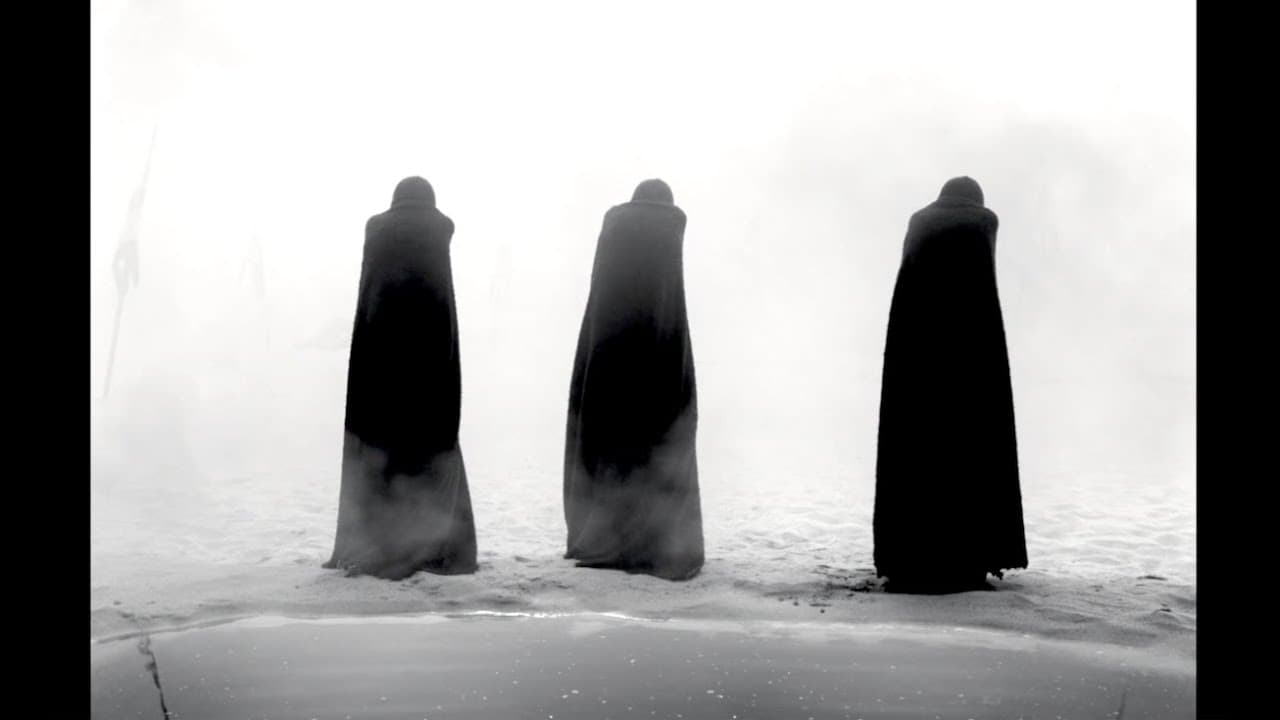
The clip from Joel Coen's adaptation of "Macbeth" features a pivotal scene where Macbeth consults the three witches. This moment is critical in understanding the themes of fate, ambition, and the supernatural. The performance by Kathryn Hunter as the witches has garnered significant attention, emphasizing the intensity and eeriness of their portrayal.
Context of the Scene
- Setting: This scene occurs in Act 4 of Shakespeare's "Macbeth," where Macbeth, consumed by ambition and paranoia, seeks insights into his future.
- Characters: The three witches serve as agents of chaos, guiding Macbeth's fate while also reflecting his inner turmoil.
- Themes: The themes of fate vs. free will, the nature of evil, and the corruption of ambition are central to this scene.
Detailed Transcript Analysis
Opening Lines
"A drum, a drum, Macbeth doth come"
- Symbolism: The drum signifies impending doom and the approach of Macbeth, foreshadowing the chaos that follows.
- Tone: The tone is ominous, establishing a sense of foreboding.
Invocation of Dark Powers
- Lines: "by the pricking of my thumbs something wicked this way comes"
- Imagery: This line evokes a visceral reaction, suggesting that evil is imminent.
- Foreshadowing: The acknowledgment of "something wicked" points directly to Macbeth's transformation into a figure of malevolence.
The Witches’ Language
- Style: The witches speak in a fragmented, chant-like manner, which enhances their mystical and foreboding presence.
- Examples:
- "double double toil and trouble" - This repetition creates a rhythmic incantation that emphasizes chaos and dark magic.
- "fire burn and cauldron bubble" - Imagery of fire and bubbling suggests a brewing danger.
Conjuring Macbeth’s Fate
- Lines: "he knows they thought hear his speech but say thou not for thy good caution"
- Interpretation: The witches hint at Macbeth's fate without revealing too much, maintaining a balance of knowledge and mystery.
- Character Insight: This line reveals Macbeth's desperation for knowledge, showcasing his transition from a noble character to one driven by fear and ambition.
Exploration of Macbeth’s Ambition
- Monologue: "what need I fear of thee yet I will make assurance double sure"
- Themes: Macbeth's ambition is coupled with a growing insecurity. His desire for certainty leads him to seek further prophecies.
- Conflict: The internal conflict of Macbeth is evident; he oscillates between confidence and fear.
The Prophecy
- Key Lines: "macbeth macbeth three years ideally be bloody bold and resolute"
- Significance: This chant serves as a dark prophecy, reinforcing Macbeth's belief in his invincibility.
- Irony: The witches' words lead to Macbeth's overconfidence, ultimately contributing to his downfall.
The Vision of Banquo's Lineage
- Lines: "tell me if your heart can tell so much shall banquo's issue ever reign in this kingdom"
- Themes: This moment reveals Macbeth's paranoia regarding his legacy and the threat posed by Banquo’s heirs.
- Legacy: The concern over Banquo’s lineage highlights the theme of dynasty and power.
Conclusion
- Final Lines: "seek to know no more seek to know no more"
- Interpretation: This refrain underscores the dangers of seeking knowledge beyond what is destined, suggesting that some truths are too perilous to uncover.
- Overall Impact: This scene encapsulates the tragic essence of Macbeth's character arc, revealing how ambition, combined with the influence of the supernatural, leads to his eventual ruin.
Final Thoughts
The portrayal of the three witches in this clip is not only a highlight of the performance but also serves as a reminder of the play’s exploration of the dark sides of ambition and fate. Kathryn Hunter’s interpretation adds a unique layer to the witches, making them both captivating and terrifying. This analysis underscores the importance of this scene within the broader narrative of "Macbeth," highlighting the intricate interplay of language, character, and theme.