What's not being said that needs to be said? >> Right. >> And we'll just let that question sit in the room for a little bit. Maybe journal everybody journal on it for a little bit or that sort of thing. And often some good stuff that will come up. And it might like in my case it was me saying I really want to do this, but if I'm totally honest >> Yeah. >> I'm worried that I'll fail at it again. And then I'll you know, it goes from like entrepreneur that made a mistake to >> Yes. Yes. Entrepreneur that can't learn. Right. Yeah, totally. Welcome to Beyond the Meeting, the show about what happens after the room clears where what gets said turns into what gets done. I'm Aaron Klein. I spent 12 and 1/2 years running a fintech company called Riskalyze. These days I build AI to amplify the impact of human relationships at a company called Contio. Our guest today is Nathan Barry. If you subscribe to a newsletter from somebody you actually like to read, there's a decent chance it reaches you through Nathan's company called Kit. You might have known it as ConvertKit. More than $50 million a year, 102 people across 70 cities run out of Boise, Idaho, which happens to be my hometown, too. Here's what I wanted from him. Two years ago, Nathan renamed his company. Now, that's not the interesting part. The interesting part is he'd already tried it once back in 2018 and it went so badly they rolled it all the way back. So, when the domain name that he'd wanted for a decade finally came available he had to walk his leadership team into the exact thing that they had already watched fail. I wanted to be in that room. So, I asked him to take me there. Nathan is one of the most deliberate operators I've come across and he gave us the whole playbook. Stick around to the end. I'll be back with my three takeaways. Well, Nathan, uh you know, thank you so much for joining me today and we're super excited to have you on Beyond the Meeting. >> I'm honored. >> And Kit is a legendary company and it's kind of crazy that it's based right here in my hometown, your hometown of Boise, Idaho. Tell us a little bit about that founding moment and where you came up with this idea. >> Yeah, so quick backstory. I got into web design and then software design in high school and then into college. >> Yeah. >> And that was my world. Everything that I cared about, you know, was in that space. Definitely got obsessed with it. Worked for a few companies around the Boise area. Did a bunch of freelancing. And then I was working for a company out in Eagle called Unity Media Group when the iPad came out in 2010. >> Wow. >> And I worked as a UI designer and I was given the task of working on a new iPad app for the day the iPad released. And so it was really fun cuz we didn't have the actual devices. You know, we're like, wait, how big >> Yeah, software emulation on the Mac and kind of stuff. >> Trying to figure out what this is. It was a cool experience to get to, you know, do the design side. We flew to Portland the day the iPad was released cuz that was the closest Mac store at the time. >> Wow. >> And uh bought our iPads, learned all that. But that really immersed me in the world of iOS development specifically. And then I spent a bunch of my nights and weekends after that like learning to code in Objective-C and building apps. And that got me after moving on from that company, I freelanced for about a year. >> Okay. >> And I was thinking like, okay, what gets into like what will help me get more clients? How do I build credibility in this space? >> Yeah. >> And I was starting to follow people who were self-publishing books around like more technical topics or that sort of thing. And I thought, oh, if I write the book about how to design iOS apps, then people are going to be more likely to hire me >> Yeah. >> for for that. Like, do you want to hire random designer or the guy who wrote the book on it? Like, pretty sure you know, if that's me, I'm going to get more clients. >> Yeah. >> And so, I thought, "Okay, I'm going to write this book and I want to make some money from it. Like, if I can make you know, $10,000 over the lifetime of the book, maybe 3 4 years, like that'd be incredible. >> Yeah. >> Um but really, it's about clients. And I just dove down this world of like online marketing. How do you build an audience? How do you get people on a Mailchimp email list and and these basic things? I ended up launching the book September 2012. Self-published. Launched to my 798 people on my Mailchimp list. >> Wow. >> I ended up making $12,000 in the first day. >> Whoa. >> $19,000 in the first week. And then like, over time, the book went on to sell a couple hundred thousand dollars worth. >> Wow. >> I never took on another design client. >> Wow. >> Like, cuz I was fully immersed in this creator world of build an audience and earn a living that way. >> Yeah. >> And somewhere in there well, a couple things shocked me. First was um you can make a lot of money selling digital products online. >> Yeah. >> You know, there's something to this. If you teach a skill that makes money to people who have money, like, there's a pretty great alignment there. >> Yeah. >> The next thing was that email sold more copies than every other channel combined. >> Wow. >> And this is 2012. Like, Instagram was really hot and up-and-coming then and and it just really surprised me. >> Wow. >> Now, the interesting thing about Boise is there's a like, OG internet marketer group here. If you think about like uh ClickBank and bodybuilding.com both being founded here. >> Right. >> Um you know, ClickFunnels. There's There's just a There's a lot of people here that under the radar have known internet marketing forever. >> Yeah. >> So, I talked to my friend Ron and I was like and he's one of these people who's been at it since like 2002, you know. >> Um And so I was like, you would not believe this. Like email is selling more than everything. Like it's incredible. All this stuff. He's like, Yeah, man. We've all known this for a long as, you know. It was like I had discovered this huge breakthrough and he was like, Uh-huh. You want a gold star? Like >> Yeah. Yeah. >> And so I was just obsessed with email and like how do I build uh like learn all these best practices. >> Yeah. >> Uh you know, and and implement them. And I immediately got frustrated with Mailchimp of like >> Mhm. >> I was learning all these best practices, hacking around Mailchimp and I was like, you know what? Someone should make an email marketing product for, you know, bloggers and content creators like me. >> Right. >> Um but that has the best practices built in by default. >> Right. >> that is how the company started in >> Wow. >> January 1st, 2013. So >> January 1st, 2013. So just celebrating what? 13 years? >> 13 years, yeah. >> Yep. >> Yeah, that's awesome. >> So there was a a long journey in all of that, but that's the that's the origin story. >> For sure. And I mean now, um just the incredible scale that you've built and Kit just has such an incredible name >> Yeah. >> around the world, really. >> Yeah, so today we it went from, you know, my little self-funded Yeah. uh let's just build this up. And it was not an immediate success. Like >> I'm sure. >> 2 years in, we were at 2,000 a month in revenue. >> Wow. >> Um but today we do about 50 million a year in revenue, have 100 team members globally. >> Wow. >> We serve 60,000 paying customers, about 500,000 free users. >> That's awesome. >> And then the crazy thing is um the just the clientele. >> Yeah. >> Like just in the last year, it's like Matthew McConaughey and Dua Lipa and Tom Brady and Ellen uh Hasan Minhaj and like so many like even Lil Jon >> Yeah. >> has a Kit newsletter. >> Okay. >> And you're like it always >> Well, you know you made it when Lil Jon has a Kit newsletter. >> Yeah. That's for sure. >> It's called Wellness Wednesdays and it's about mindfulness and meditation, and it's actually really good. >> love it. That's so great. >> it's fun to be able to, you know, home grow that business from YC. >> Yeah. Yeah, that's awesome. That's awesome. Well, so take us in a little bit. So, you're running you're running organization, obviously, with with, you know, pretty decent level scale. Al- Although good efficiency, I mean, 100 employees and at at that kind of revenue scale, it's pretty pretty >> I like that 500,000 in an ARR for team member. >> Yes. That's a That's a great place to be. Um, I was...I...I've served on a few boards and had to...um...I...I don't think I've quite gotten to that level of efficiency before, but I've gotten high. And...and I...I've served on a few boards with...um... you know, entrepreneurs who...who the number was probably a tenth of that, and I was like,"Oh, no, you can do a lot better." >> We might need to fix this. >> Yes, we can fix this. Uh so >> Yeah, in in a world of AI, like you can you can push it even more. >> Particularly true. Yeah, that's that's that's great. But, you know, that's still a lot to juggle, AI or no AI, and and uh and AI um you know, does give you more efficiency, but it's almost like you've got more uh more uh threads running at the same time. So, take us into a typical week for you. Um you know, what what kinds of meetings and what kinds of decisions are you having to make in a in a week-to-week? >> Yeah, so inside of Kit, I try to delegate as many things to the leaders as possible, like the individual leaders, but I'm not very good at that. And so, I probably have my hands in way more things than I ought to. Now, I kind of have dual roles where something that I realized from the world of being a content creator is that attention is this incredibly powerful thing. >> Yeah. >> And creators are amazing at getting it. And so, if you point that attention towards, you know, businesses that have incredible fundamentals, like SaaS, especially SaaS with good expansion revenue, then that's worth so much. So, the last maybe three or four years, I've really picked up the like gotten back into the content creation world. >> Mhm. >> And so I split my time probably 80%of my time is on what you'd expect from a typical CEO. >> Okay. >> And I'm I find my like sales, marketing, and product are the things that I'm best at. >> Yeah. >> Um And then the other 20%is on content creation. I have a podcast. I write a week weekly newsletter. You know, growing a social following and all that because I've realized that I can grow Kit's brand and that works. But if I grow my personal brand, I can reach new audiences and direct them back to Kit. >> Yeah. >> So a typical week is usually product and strategy meetings, you know, on each of the core initiatives that we're driving forward. >> Yep. >> Um so we've got four of those, an executive meeting. It's usually like three to five customer calls throughout the week. >> Yep. >> Whether it's something new that we're trying to get feedback on or a deal that I'm trying to close. >> Yep. >> Um teach a a workshop or a webinar somewhere in there. And then usually record a couple podcasts. >> Yeah. >> Um so it's like spread out between a bunch of things. Also trying to finish a book. And so >> that would you know, there's probably 15, 20 hours a week of writing in there. But that might be, you know, Sunday morning from >> going to say that's the that's the last 15 or 20%of 120%of your week. >> Yeah, exactly. That's See, that was Sunday morning from 5:30 to 8:00 before my family woke up. You know, like that kind of thing. >> totally. That's awesome. So take us into the meeting where everything changed. >> Yeah. So the So maybe a little bit of context is Kit was not always called Kit. >> Right. >> We had a different name. And so when I founded the company >> ConvertKit. >> called ConvertKit. And I was looking for a dot com that wouldn't be misspelled and all of that. And And it was available for, you know, $9 on GoDaddy. >> Right. Exactly. Not $9,000 or $900,000. Yeah, totally. >> And so, we ran this ConvertKit for a long time. >> Yeah. >> And so, the decision was really, we had this opportunity to buy kit.com. >> Wow. >> Which, if you think about we were talking before about like real estate, you know. >> Three-letter domain names. >> Uh cannot be misspelled. You know, it's a standard English word. >> That's right. >> Uh highly brandable. Cuz we've been in the search for a new name for a long time, and and this intersection between can you get the domain name? Can you get the trademarks? Can you get the social handles? >> Right. >> You know, all of the stuff was >> Yeah. >> And we were starting to realize like, wait, this might actually happen. But the hard thing is, like if you and I are if we're looking for our dream house, >> Yep. >> there's probably like there's a bunch of there's a few neighborhoods that we're okay with. There's a few different things. When you're buying a domain name like that, >> Yep. >> there's only one. >> Yes. >> So, when this came available, we're like, this is the only shot that we have. >> Wow. >> And uh so, it was in that meeting with our exact team, we got into the point where we had the price negotiated, and you know, we we realized like, okay, this is a huge amount of money. >> Yeah. >> But not like not as much as you'd think. >> Not bet the company money. >> But ouch. >> A fraction of a fraction of our annual revenue, but also not a fraction of the annual profit. >> Yeah. Yeah, exactly. >> And uh I'm transparent about everything. Unfortunately, I can't say the price of the domain name. >> Okay. >> Um that's one where they kept like the sellers were they like the NDA was very strict on that. >> sense. >> So, what I would say is, if you don't know domain names, >> Yeah. >> you'd be shocked at how much we paid. >> Yeah. >> And if you do know domain names, you'd be shocked at how little we paid. >> Wow. >> Okay. So, >> Wow. >> But in this meeting, we're talking are we going to pull the trigger? >> Yeah. >> And for context, we'd renamed the company once before. >> Wow. >> In 2018. It went poorly and we'd rolled it back. >> Wow. >> And so it's not just like you make this decision in a vacuum. It's like,"Oh, you're going to make this particular mistake again." >> Again. >> Interesting. Tell me about your all your business acumen there. >> Yeah. >> And so I had all these things that I wanted to do with the company and the brand and I felt like ConvertKit >> held us back from that. Right. >> But I also felt like I'd used up kind of the one shot. >> Right. >> And so the things that stay like if you think about a big decision >> Yeah. >> it's always clear to like a line on what's what's at stake. >> Sure. >> And there's there's often the things of like the financial risk of like,"Okay, we're going to be spending this amount of money in hard costs."And then here's a soft costs of like the time and all of that. >> Yep. >> Um but then there's usually some unnamed things at stake, too. >> Yeah. >> And like often there's uh ego >> Yeah. >> around like >> Sure. >> you know, in my case,"Oh, you're going to try again at the thing you failed at in the past." >> Yeah. Yeah. Totally. >> There's like the sunk costs of, you know, maybe people have particular revenue goals. >> Yeah. >> Right? Your CRO in our in our case is like,"Hey, we're trying to hit this revenue goal this year and this is going to be maybe 5 years a great decision, but >> it's not going to help us hit revenue goals do not help you the next quarter . Not at all. >> Yeah. And so like it was really helpful for us to kind of go through and name all of the >> Yeah. >> um the hidden costs or the things that weren't stated in the conversation. >> That's interesting. >> And I would say anytime you're doing a decision go do it go do that. Like list out all of the costs. >> Audit all of the downsides. >> And then um what I like to a question I like to ask is some version of what do you feel like you need to say, but you're a little nervous to bring up? >> Mhm. >> Or what's not being said that needs to be said? >> Right. >> And we'll just let that question sit in the room for a little bit. Maybe journal everybody journal on it for a little bit or >> that sort of thing. And often some good stuff that will come up. And in my like in my case it was me saying I really want to do this, but if I'm totally honest >> Yeah. >> I'm worried that I'll fail at it again. >> Totally. >> And then I'll you know, it goes from like entrepreneur that made a mistake to >> Yes. Entrepreneur that can't learn, right? Yeah, totally. I well and I so so I think about that. I think you're how many people on your leadership team? >> That was five at the time. >> About five, okay. And um was it was it pretty unanimous that you should do it or was that like a little bit charged? Like people weren't sure. >> Yeah, I would say 70-80%not that it was split between each individual. I think each person themselves was you know, 60-40, 80-20, somewhere in there. >> that you describe it that way because you know, one of the greatest like boneheaded bus-business decisions of all time uh you know, that most people will will rank up there as kind of like Netflix deciding to remember when they tried to split out and become make the DVD business Quickster, right? And it's very interesting cuz I I I heard Reed Hastings once say that what he didn't realize when he went into the decision was that um basically everybody felt very strongly that it was a bad idea. >> Okay. >> And he was the only person who thought it was a good idea, but they're all sitting there like, well, Reed's really smart and he's got a lot of decisions right. You know, and so one of the things he learned from that was to try to it's just interesting how you're talking about like everybody was like 70-80%that way. To translate it to to what he does today or or what he he said he learned how to do was to ask people on like big high-stakes decisions to rank their feeling on it from -10 to +10. >> Okay. >> Each of them individually. And so they'd each like write it down separately and then he'd put them all up on the screen. So, what you would have gotten were a bunch of sevens at like +7s and +8s. Like everybody was like pretty confident. And that's actually really good. And hey, proof of the pudding, it worked, right? But uh it would have, you know, as he put it the you know, he would have ended up with a bunch of -8s and -9s and he would have been like a +7 or a +8. >> Right. >> And that would have at least slowed him down. He he says in hindsight he thinks it would have slowed him down. And and gotten him to maybe see the downsides >> Not to get too far into the weeds, we can come back, but now do people still view that as a bad decision? Does he still >> I think so because, you know, as it turned out, doing it all under Netflix turned out to be like a great plan. Like keeping people all engaged in just doing that transition of the business towards >> need to do the TV >> business is gone and and it and and it all worked out very nicely and everybody transitioned nicely to to >> You didn't need to make a bet the company level decision when you could have made a >> And make people angry about having to trip to pay for two services. >> Right. >> Oh, that's interesting. >> Yeah. So, >> Yeah. So, what what you're touching on there is frameworks around decision-making. >> Yeah. >> Which I think are so helpful. >> Yeah. >> Um there's a couple that I use that we can kind of weave into this conversation. But one just really simply for team alignment >> Yeah. >> is I like to put a statement up on the board. >> Yeah. >> And I will label the four corners of the room strongly agree, agree, disagree, and strongly disagree. >> Yeah. >> And then I put a statement up there of like, we should rebrand the company, or whatever. Now, I I didn't use this technique back then, but um I'll use it pretty often. And then you just go and stand in the corner of the room that represents your perspective. And someone's like, well, I'm kind of between agree and disagree. We're like, pick a side. >> Pick a side. Yeah, go to the corner. >> We already gave you like >> four choices. >> four choices. Like you don't get to be >> infinite choices, yeah. >> You don't get to be in the middle. >> That's great. >> And so, something with our management team is on Zoom, they're pretty hesitant to They'll be pretty quiet. Right? And they they'll bring something up and people will be quiet and not really say >> Interesting. >> Um or people will fall into like a devil's advocate >> Right. >> kind of thing. >> Right. >> Yeah, and um there's a line Seth Godin, who's this amazing marketer and author. >> He has this line that he said of um a friend of mine did an internship for him. This is a story from that. >> Yeah. >> Where someone's like, well, devil's advocate. And Seth goes, no. The devil could The devil's great at advocating for himself. Like he doesn't need any more advocates. Like what do you think? >> What do you think? Exactly. But so, what I love about this system is you can immediately see, right? Should we split out Quickster from Netflix and run it as a separate business? >> Everybody is a strongly agree. >> Everybody is not a strongly disagree. >> And you can have a conversation from there. >> Yes. >> And so, you immediately without having to go around and ask every single person, >> Yeah. >> you get this. And then when someone's standing there, it's like, okay, well, you chose strongly agree or strongly disagree. >> Yeah. >> Why? >> Yeah. >> And you're like, oh, well, I Yeah, I am standing in this corner of the room. >> Yeah. >> Here's why. >> Yeah. >> And you can kind of popcorn back and forth. >> Yeah. >> And it it gives you permission to call on uh different groups. >> that. I haven't thought about corners before. >> Yeah, and you can do it in like virtually we'll do it with >> Totally. >> um like FigJam, where we'll have people, >> Yeah. >> you know, in a shared meeting just like go put themselves in >> I like it. >> spot. But that's something else because I I think a lot of times in meeting a lot of time in meetings is wasted >> Yeah. >> because we're going around, what do you think? All the way around. And everybody has to >> It's unclear what the point is. >> Yeah, to to totally right. I think, you know, what one of the other things I'm curious about is, okay, so you make this decision and then there's like a million details going into this decision and they ripple down and they impact every single person in your organization. How First of all, how long did it take for you all from like making the decision to actually execute the rebrand? >> Yeah, so we >> wasn't overnight. >> It was probably November 2023 that we realized the domain was available. >> Yep. >> By late December we had a price negotiated and by early January we pulled the trigger on it. >> Yep. >> And like actually had a contract. February is when we told the broader team and we had a team retreat and we're like all right, we're telling them. We knew that was like going to get some great reactions and >> Yeah, for sure. Didn't we already do this? Do you never learn? >> Uh and then we announced it in June. >> Yeah. >> Uh and there were there were like sub decisions within that. >> Yeah. >> So I wanted to have like this big reveal moment. I thought kit.com was a pretty sexy domain name and >> Yeah. >> and uh so I wanted the whole brand and all that. >> But then we realized like we shouldn't rush into it. >> Yes. >> And so we actually made the decision to delay and to announce in June >> Okay. >> that we're going to rebrand. Here's what the new brand like the new name, domain name, all of that and we'll actually cut over to it in October. >> Okay. >> Or the plan was September and it ended up getting delayed to October. >> Got it. >> And I didn't like that at first because it wasn't like the flashy Steve Jobs moment. >> totally. >> same way. But um it was the like prudent responsible thing to do. It's like hey, this is a big deal. Let's make sure we get it right. >> Yeah, but for all those months you've got all these people running around >> Yep. >> skurrying around trying to implement a whole bunch of different things cuz I've been through a rebrand before. Like it it affects basically every surface in the company. Like it's a it's a big deal. And >> reveals everything that you're like oh yeah, I forgot we had that product. You know, or I haven't thought about that in 5 years. Uh and so Talk to me about how you you know, work to keep all of those details and context straight across 100 people for the course of those many months where all that work had to get executed. >> Yeah, well the first thing was making one person in charge of the whole thing. And Charlie who's our creative director, she's been on the team for 9 years now. And we just said like you are in charge. And so that clarity on that, we had someone else who ran like the project management of it all. So that wasn't in the same person. Um We also Maybe we're rewinding an important thing. Going back to that first meeting where we're trying to decide what to do. And then I want to share another framework that's helpful for us. Is we Our Dave, our CRO, asked a good question. He's like, what's the worst thing that could happen? And we a tool we really like is a pre-mortem. Because people often we say like I'm like here's why it's going to work amazingly. And then you're like here's why it's going to be terrible. And we just argue about this thing. And it's not very effective. And so what we do is we we say hey, for the next half hour, we're going to fully step into the world, like the dream scenario, this worked perfectly. And we're just going to brainstorm that. And someone is like well that was that and nope, that's not the phase that we're in. And then to make everyone comfortable with that you say and then after that we're going to spend a period of time fully diving into it's a year from now, it failed. Here's everything that went wrong. Right? And so when we did that, of the things that came up is like Okay, well now we own this domain name that we're not actually like let's say we buy it and then decide not to rebrand. >> Yeah. Right. >> Um our CRO was like What's the domain? Is it only worth something to us? And I was like, "Oh no, if we try to sell this in a year in the open market, we could definitely get more than we're paying for it." And he's like, "Then why are we still having this conversation?" >> Right. >> it was like buying a house that was heavily undervalued. >> Yes. >> And so we're like as a three of us, better.com, it's worth for just a domain investor, it's worth way more than we paid. And so he's like Okay, so at least for the purchase of the domain, yeah, that's a pretty de-risked decision. That's right. And then we got into the other things that were >> Interesting what happens when you break decisions down into components, right? >> That's such an important thing. >> Yeah. >> And then another framework that we use a lot, um we call it a DMF. It's just a decision-making framework. And it comes from Brian Armstrong, the CEO of Coinbase. >> Okay. >> And he has an article on Medium about this breaking it down. And I think that too many people try to make decisions without structure around them. >> Mm. >> So if you fast forward to summer of 2024, we've announced that we're going to become Kit. We've done a lot of the branding work and and all of that. But we are still stuck on a logo. And we've hired this agency out of the UK who's amazing and they they did all this great design work for us and they had a few logo concepts and it comes down to it and we're we're like really stuck on which one do we go with? And everybody looked to me and said, "All right, well, ultimately it's your company. So like which one are we going to do?" And it was I had one logo that I wanted to go with and I'd say of this like say there's 10 stakeholders who like actually really cared across design marketing I'd say seven of them were strongly for the other logo. >> Okay. >> And two are like, yeah, you know, they're both pretty good. >> Yeah. >> You know, but it was not >> Right. >> It was not super clear. And so we went and followed Coinbase's decision-making framework. >> Wow. >> And basically the way it starts is you appoint one decision-maker. Ideally someone who's the closest to the problem and isn't like fully invested in one camp. Um then you decide who are the input providers. And so it's not the 100 people in the company. >> Right. >> It's like, well, to marketing to whoever like who is the person that you are appointing >> of 10 people. The the people you were talking about, right? Like those are the key people. >> And so we really try to get like down to six input providers or less. >> Okay. >> And so then it's like, well, I don't have an opinion. It's like, great. Tell your coworker who's, you know, who virtually sits next to you. And >> Yeah, yeah. Yeah. >> Um they'll represent your perspective. And so we define that. We clearly define the decision that needs to be made. The timeline that will make the decision and how long we're committing to it for. And then we like let have this kind of open period for maybe a few days or a week where anyone can weigh in and comment on the notion doc of like, here's what I think. >> Yeah. >> And then you roll into the actual decision. And so first just the very act of getting really clear on what are we deciding, how long are we committing to it for, and who's the decision-maker >> Right. >> gets you like 70, 80%of the way to towards a good decision. >> For sure. >> we've done this for product decisions. Like, hey, what should the product behavior when someone gets to the end of their email sequence and this is true, what should happen? We've like debated this for months and like, should it be a setting? Should it be Should we build opinionated software that doesn't have it as a setting? >> Yeah. Yeah. >> And usually when we get to this like diving into something like that, we get to this really clearly stated problem and the, you know, four possible solutions. >> Right. >> Um people get really clear. So in this case with our logo decision, it's like, "We're going to go with logo A, logo B, or we're going to go design some new options? We're back to the drawing board." Right? And then, kind of to the uh um the Reed Hastings example, the very first thing that we do when we come to the meeting, after we agree on like the constraints, is we do a blind vote. >> Okay. >> And you're allowed three You're allowed one vote for every option that there is. >> Mhm. >> So, in this decision, there's three possible options. >> Yep. >> And so, everyone has three votes to allocate however you like. >> Okay, got it. >> And we do it all in a It's just There's like a Google Sheet template. Uh And so, you do that, you reveal the votes, and you can immediately see like, "Oh, we you know, we already agree." >> Yeah, yeah, yeah. Yeah, we just didn't know it. >> we just didn't know it. >> Yeah. >> Or you can see how it's split. Some people will be like, "I'm equally split between all of them." >> Sure. >> Um And so, we ran through that whole process, and then uh the next thing is everybody shares their perspective in order. >> Yeah. >> And you go from least senior to most senior. >> most. Yeah. Super powerful. >> And so, that way people don't anchor their perspective or or that sort of thing. Then often, you know, your maybe your VP of whatever, who went almost at the end, is like, "Oh, and what Charlie or what this other person said, you know, like I agree with that, too." Like, they're just plus-oneing >> For sure. >> instead of like monologuing and being the most important person in the room. >> Yeah. >> Um So, then you discuss, and like go all the way around, you get a chance for open discussion, then you vote again. >> Yeah. >> And the decision-maker does not have to go with the vote, but they use all of that input uh of what everybody said, >> Yeah. >> and everything they learned, to say, "Okay, you know, either in the meeting, here's my decision, >> Yeah. >> or like I need 24 hours to like collect all of this." Um And so, yeah, we use it for everything from "Should we rebrand the company?" to "What is the logo to all of these, you know, how should the product behave? >> that are important. >> Yeah, it turns out that if you put structure to a decision, >> Yeah. >> you end up with much higher quality decisions. >> Yeah, that's pretty cool. And the other thing I think is is so powerful about what you just described too is where you were saying you you kind of put it in the notion and it kind of lives there for, you know, a little bit of time. It's a little bit like letting wine breathe. >> Yeah. >> You know, and and uh great decisions are that way. They often times need a little bit of time to breathe and um you know, I just know when I look back at my career um some some of the decisions I'd love to get back were ones that were made under massive time pressure. >> Yeah. >> You know? And if you if you can let that wine breathe a little bit and uh get the benefit of really, really good input from smart people, uh things are always a little bit better. >> Yeah, and just forcing people to actually take a stand. >> Yeah. >> Um like pick a side, articulate it, um and walk into that. The other thing that I like to do in decisions, if I don't have a stake in it, um and people are stuck, I will get everyone to argue the opposite side. >> Yeah. >> Like if they're entrenched, >> Yep. >> then I'm like, okay, what you know, what's the best argument that you have for this person's perspective? They're like, ah, it's Okay, so if I were to actually argue it, it'd be like this, this, and this, you know. Cuz then what happens is everybody ends up feeling heard. >> Yes. >> You know, if you and I cannot agree >> Yes. >> on a decision forward and we're 50/50 partners in a business, >> Yes. >> but then we can each articulate like the best >> Yes. >> like all of the best points. If I can make your argument for your decision like for what you're arguing for as well or better than you can, >> Yes. >> then like you're going to feel pretty good about >> definition of disagree and commit. >> Yeah. >> Right? That's awesome. Well, this has been a a blast of a conversation. Um talk a little bit about where people can find you. I mean, do you by any chance like write an email newsletter or anything like that? >> Yes, if you just search Nathan Berry, pretty much anywhere on the internet. Probably my favorite thing is my podcast. It's called the the Nathan Berry Show. >> Okay. >> about business and and all of that. >> Love it. >> Yeah, nathanberry.com is my weekly newsletter. >> Love it. >> It links to everything. And then kit.com, where you can check out the little software product that we built to help creators and and businesses, you know, build an audience. >> And with that beautiful three-letter domain name. >> Yes, exactly. >> What a story. Thanks so much for joining us. >> Thanks for having me. >> I hope you liked that one. Here here's what struck me about Nathan. He shows his work. You know, most founders will tell you what they decided. He walked us through exactly how, including the part where he was scared. And so, three takeaways from that conversation. First, clarity does far more work than anybody gives it credit for. Nathan's claim is that just getting clear on three things. What exactly are we deciding? How long are we committing to it? Who actually makes the call? That gets you 70 or 80% of the way to a good decision. 70 or 80% before anyone has argued about anything. I've sat in rooms where six smart people talked for 90 minutes and couldn't make a call. And if your meetings feel exhausting and inconclusive, it usually isn't the people. Get the clarity first. Second, and and this is where the framework comes in. Nathan uses a decision-making framework he picked up from Brian Armstrong at Coinbase. And they just call it a DMF. One decision maker, uh, ideally the person closest to the problem; six input providers or fewer; a blind vote before anyone talks; and then everyone speaks from least senior to most senior, so nobody just anchors on the boss; and then you vote again, and the decision maker still doesn't have to follow the vote. It's not a democracy, but that last part matters because the system organizes the input. The human still makes the call. That's five moves you could run all of them tomorrow. Third, every big decision has a stake nobody has named, and it's usually rooted in ego. Nathan's version of this, he he sat in front of his own leadership team and he told them he was afraid he was going to fail at the rename again. And then he would go from being the entrepreneur who made a mistake to the entrepreneur who can't learn. So, the CEO went first, and that that's the whole trick. Like nobody in your company is going to name the unspoken thing until you do. One more, and it's the part I keep thinking about. When they finally executed the rebrand across 100 people in 11 months, Nathan put one person in charge, Charlie, 9 years on the team. I think about how companies use Contio, and I say,"Wow, I've spent a long time building software to do a fraction of what Charlie did in those 11 months." But if you don't have a Charlie to compound your workspace intelligence, I'll bet you AI can help. Nathan is at kit.com, and you can find him just about anywhere by searching his name. The second half of the work starts now. I'll see you next time.
 ai kingAlfaaz Hamza Malik 720p, h264
 鲲侯·星河易道每周运势预测,北斗七星抽卡,奇门遁甲预测(2026-10-5至2026-10-11)
 鲲侯·星河易道每周运势预测,北斗七星抽卡,奇门遁甲预测(2026 10 12至2026 10 18)
 François MarquisBIO 1910 M5 Station d'épuration B
 Louis JacksonLang Kurar: The truth behind the NHS
 Dua LipaDua Lipa - Training Season (Live from the Royal Albert Hall) [Official Performance Video]
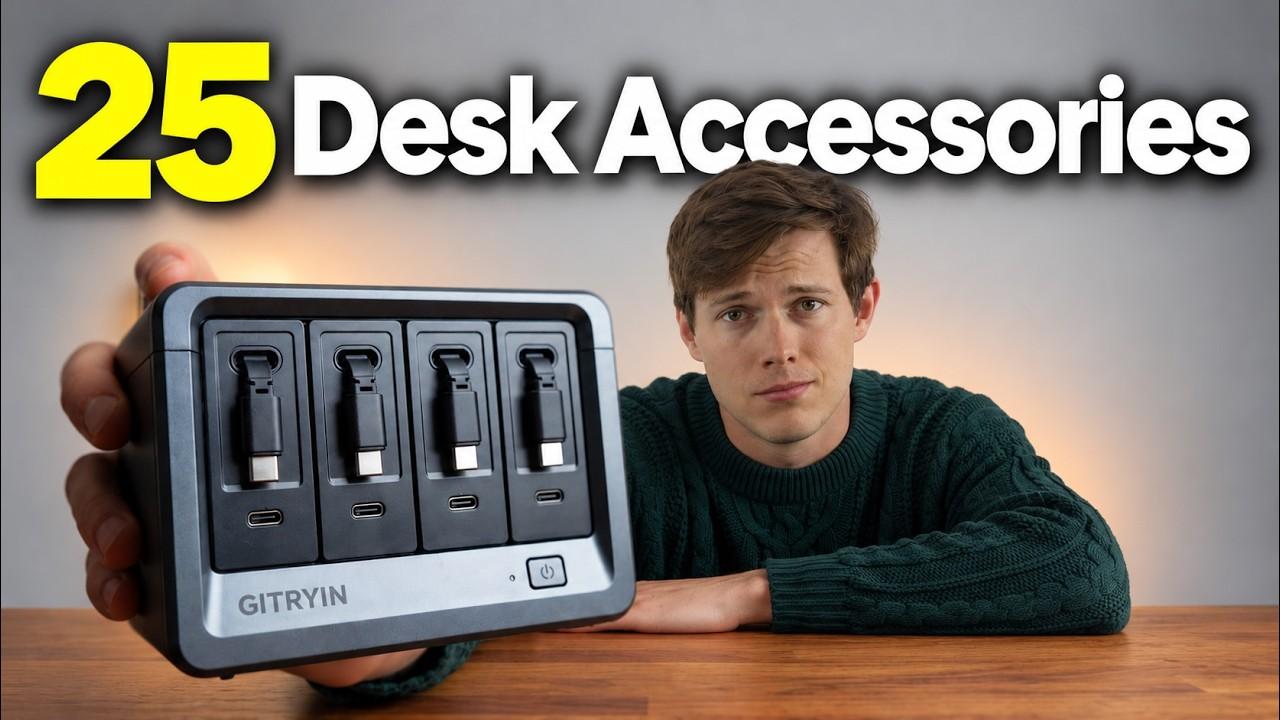 Mike O'BrienMy 25 Favorite Desk Accessories (Desk Setup Upgrades)
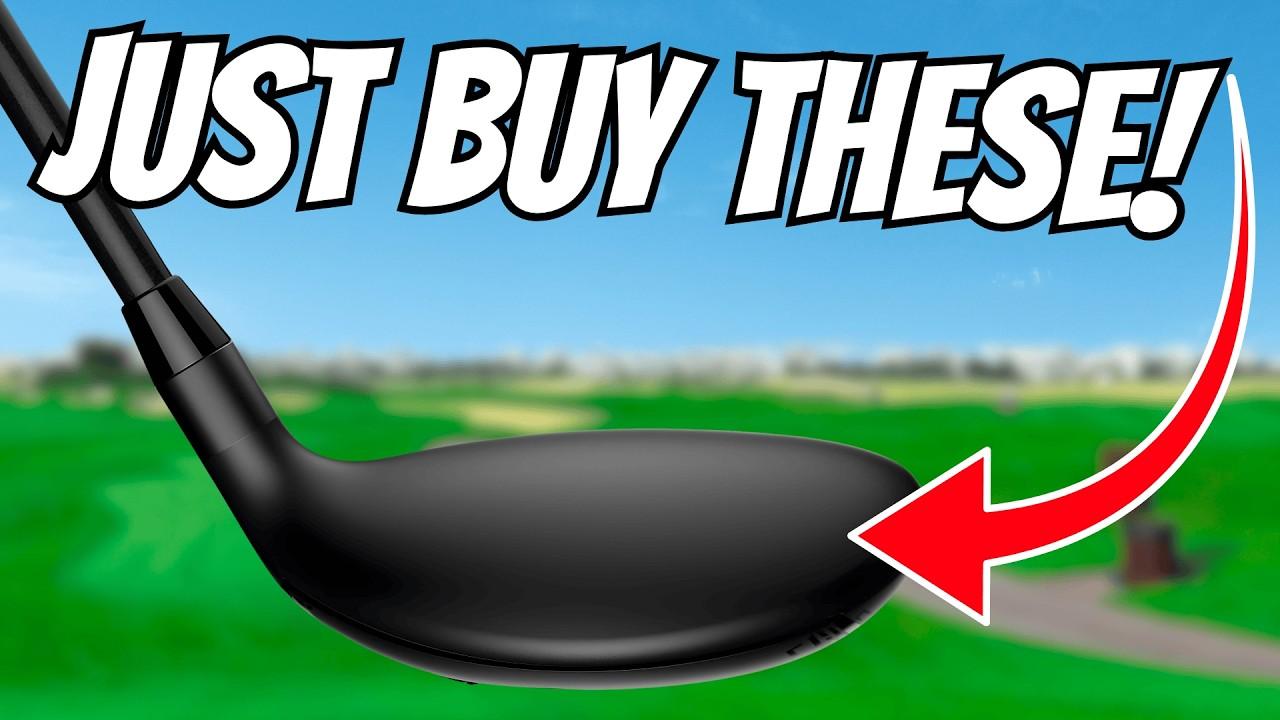 James Robinson GolfThe 5 BEST Value USED Golf Clubs In 2025! ALL CATEGORIES!